
Introduction
I was at a small plant last month watching a line stop three times in one hour — you know the kind of day where everything feels fragile. The main trouble? The lid applicator machine would misalign lids on bottles, and rework piled up fast. The company had logged a 7% reject rate last quarter (yes, actual numbers — and they hurt the margins), so I asked myself: why do simple machines cause big quality losses? In the next parts I’ll break down what’s really failing and what we can try next.
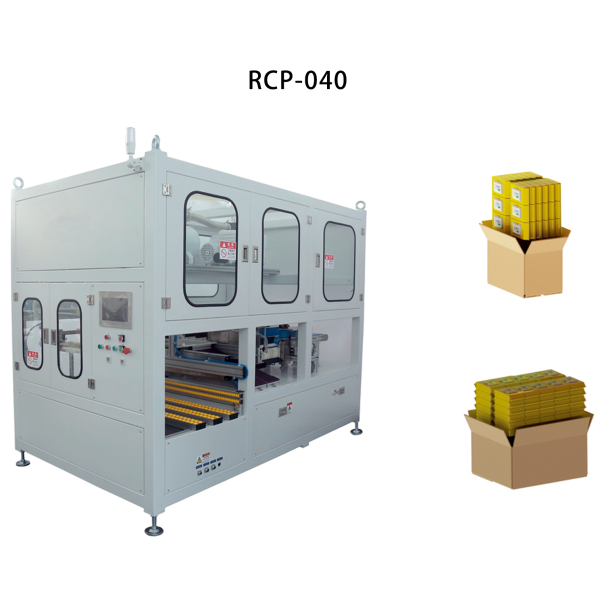
Why the Usual Fixes Don’t Work for the Capping Machine
Right away: the capping machine often gets band-aid fixes. Plant teams add shims, tweak guides, or slow the line. Those moves help short-term, but they hide a deeper issue. I’ve seen this pattern dozens of times — it’s predictable and costly. The real problems live in how the machine senses and reacts: weak vision system calibration, noisy torque sensors, or a mismatched servo motor control loop. Look, it’s simpler than you think — bad data in, bad lids out.
So what breaks first?
Wear and tolerance stack-up, for one. Guides that were fine at startup wear unevenly. A pneumatic actuator may lose a tiny bit of force. A PLC program might use fixed timing that doesn’t adjust for subtle changes. The result is misfeeds, crushed seals, and lids that sit crooked. We can chase each failure, sure, but unless we address sensing, feedback, and adaptive control, the rejects keep coming. I prefer to map failure modes, then add targeted upgrades like better HMI feedback, upgraded vision tools, or closed-loop torque control. Those steps cost more up front — but they cut rework and line downtime in ways simple fixes don’t.
Future Outlook: Case Examples and Practical Metrics
Looking ahead, I’m optimistic because I’ve seen what targeted upgrades do. One mid-size maker I worked with swapped a dated feeder and tuned the vision system; they moved from frequent stops to a steady line and cut rejects by half — not magic, just focused work. The same principle applies to the capping machine: combine better sensors with smarter controls and you win. We’re talking about integrating edge computing nodes to pre-process images, deploying power converters for cleaner motor supply, and using adaptive PLC routines that change timing on the fly. Small changes compound. — funny how that works, right?
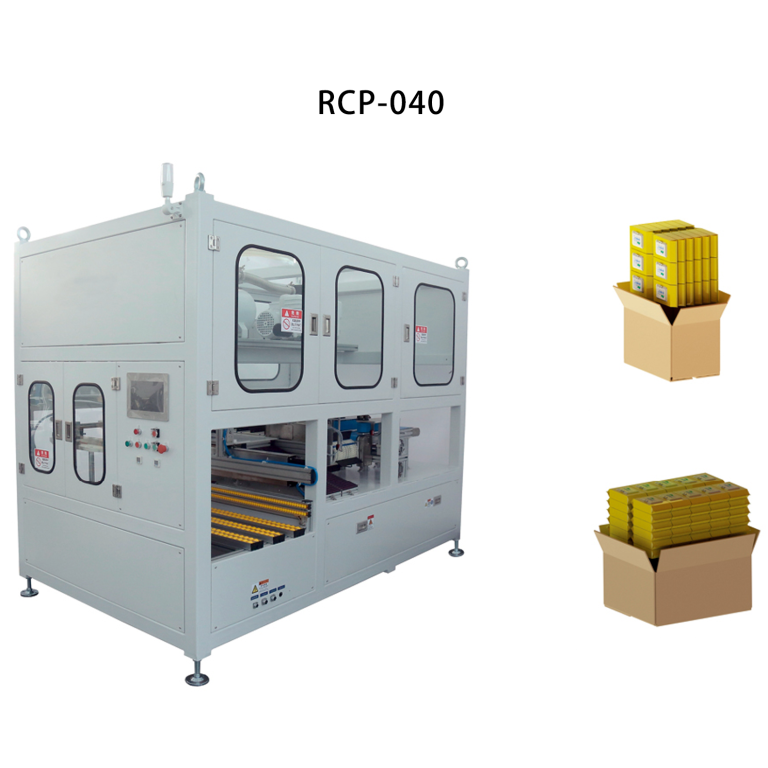
What’s Next for Buyers and Engineers?
Here are three quick metrics I use when I evaluate a new or upgraded system: 1) True uptime under production load (not vendor demo time), 2) average reject rate after 30 days of running, and 3) mean time to repair (MTTR) for common faults. These numbers tell you if a machine is truly better or just dressed up. I’d add that maintenance friendliness matters — easy access to the servo motor and simpler HMI menus save hours. We should weigh upfront cost against lifetime savings. If a machine cuts rejects and downtime, the payback can be fast.
To wrap up, I’ve learned to trust practical fixes over shiny claims. Start by mapping where lids fail, then target sensing and control — vision, torque feedback, and PLC logic — before changing hardware. If you measure the three metrics above, you’ll spot real improvements. I’m not saying it’s always simple, but with the right focus you can turn a noisy capping line into a quiet, productive one. For practical solutions and more models, check out ZLINK.
15 ARTICAL
Why Your Lid Applicator Machine Deserves More Credit — A Comparative Look
Introduction: A Workshop Moment, Numbers and a Question
I was knee-deep in a midweek run on a damp wipes line when a simple misfeed stopped everything — and I mean everything. The lid applicator machine sat there, innocent-looking, yet single-handedly halting a shift; lid jams and misplacements are quietly costly. Many plants I visit tell me their capping or lid stages eat up a chunk of unplanned downtime (you know the sort) — some operators estimate losses that put product throughput down by double digits on bad days. So, why do we let that step be the bottleneck when it’s supposed to be simple? I want to unpack that with you — because there’s more beneath the hood than just a conveyor and a head, and the answer matters to your uptime and your margins.
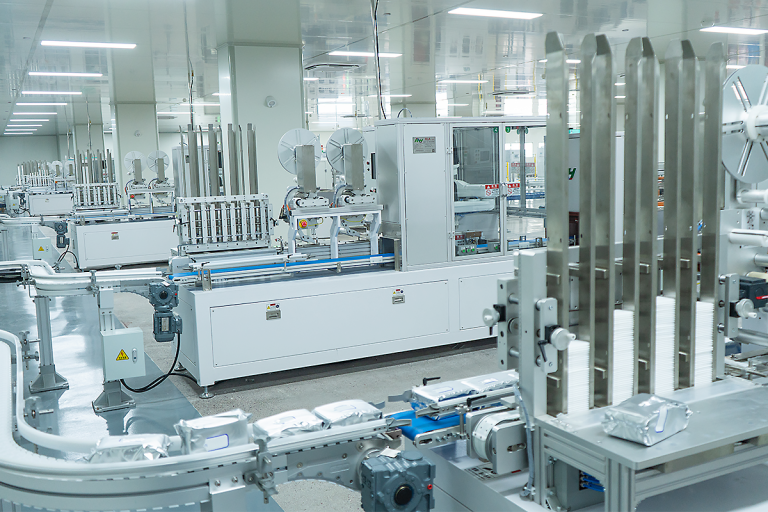
Part Two — The Hidden Flaws of Traditional Capping Systems
capping machine designs from a decade ago often lean on brute-force mechanics: fixed cams, simple pick-and-place grippers and hard stops. On the surface that looks robust — fewer electronics, fewer sensors — but in real life I see three recurring problems. First, tolerance drift: small variations in bottle necks, lid moulds and magazine feed rates accumulate. Second, reactive control: older PLC logic waits for a fault rather than predicting it. Third, maintenance pain — every time a servo motor or torque sensor throws a tantrum you lose minutes or hours. I’ve been there; it’s frustrating and the team feels it. Look, it’s simpler than you think to underestimate how much those minutes add up.
Technically speaking, legacy gear lacks feedback-rich loops. Without torque sensing and adaptive motion profiles from modern drives, the head slams or slips, and you either scrap product or slow the whole line. Add in inconsistent magazine feeds and icing on the cake — misaligned lids that a fixed cam can’t correct — and you’ve got chronic rejects. I’ve worked with lines where swapping a single power converter and upgrading the motion controller reduced jams by half — surprising, sure, but repeatable. We also need to factor in data: without edge computing nodes or local logging, downtime events vanish into spreadsheets and never get fixed properly. So while old-school capping machines look low-tech and reliable, I’d argue they hide failures until the plant discovers them the hard way.
Why does that keep happening?
Because design choices aimed at simplicity can blind you to variability on the line. I’ve seen teams accept a 2–3% reject rate as “normal” — and that’s a morale killer. From my view, the problem isn’t lids; it’s the logic we trust to place them.
Part Three — New Principles: How Modern Capping Changes the Game
Let’s look forward. I’m excited about control-first upgrades: predictive motion, force-feedback sealing, and local analytics. Swap a fixed-timing head for a servo-driven, sensor-aware unit and you get adaptive placement that corrects on the fly. A modern capping machine that integrates torque sensors and a smarter motion controller will slow slightly for a sticky lid, nudge for a warped neck, and alert before scrap piles up. It’s not magic — it’s a different engineering philosophy: tune for variance, not for the “perfect” part. When I consult, I push for modular upgrades: one new controller, one better servo, a local data node — and you often see step changes in yield. — funny how that works, right?
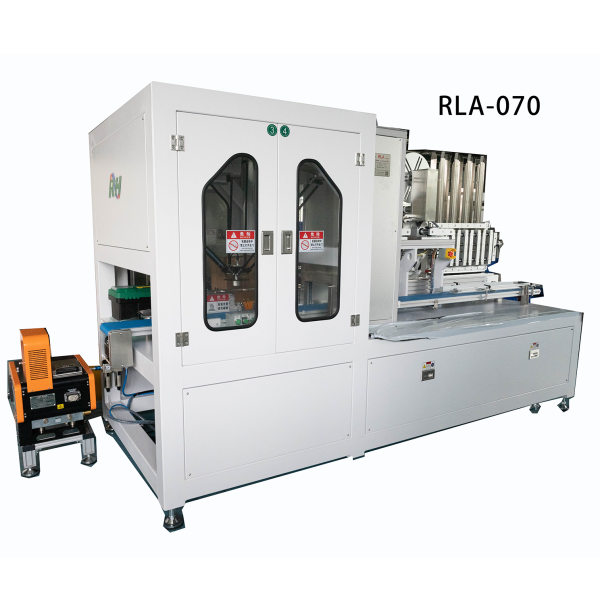
Semi-formal note: implementing these principles needs a plan. Start with diagnostics: collect run-time data, map failure modes, then introduce feedback elements where they matter most. If your line still trusts open-loop cams, consider phased replacement. The goal is practical: fewer stoppages, clearer root-cause data, and happier operators who aren’t firefighting every bottle changeover. I’ve walked through this with teams and the cultural shift is real — operators gain confidence when the machine talks back instead of just breaking. Short sentence: it pays off.
What’s Next — Practical Metrics to Choose the Right Upgrade
When you evaluate new systems, I recommend three clear metrics to guide decisions. First, mean time between stoppages (MTBS): measure it before and after any change. Second, placement accuracy under load: a good unit will keep misplacements under a defined millimetre tolerance across a run. Third, actionable telemetry: can your system report specific fault types (grip slip, torque spike, misfeed) rather than a generic “fault”? Those three tell you whether the upgrade moves the needle. I want you to walk away with realistic checks, not buzzwords — so test in stages, insist on local diagnostics, and train your crew on small fixes. We’ve seen plants cut rejects dramatically just by focusing on those metrics — measurable, repeatable wins.
In closing, I’ll be blunt: capping and lid application aren’t glamorous, but they’re pivotal. Treating the step as an afterthought costs more than you think — in time, money and team morale. My recommendation: prioritise adaptive controls, add a bit of sensing, and monitor with edge-friendly logging. These moves are practical and, frankly, sensible. If you want an entry point, look at systems that let you retrofit a smarter controller or add torque sensing without tearing everything down. I’ve guided teams through it — and the results speak for themselves. For those wanting one reliable source for both machines and retrofit support, check out ZLINK — I mention them because they’ve been part of several solid upgrades I’ve observed, not as a sales pitch but as a practical reference.