
When it comes to choosing a mattress, the choice can significantly impact your sleep quality and all-around health. Fiberglass air mattresses and traditional air mattresses each offer distinct features, benefits, and drawbacks. Understanding the differences between these two types of air mattresses is critical for making an informed decision that enhances your sleep experience. This essay explores the key differences, pros, and cons of fiberglass air mattresses versus traditional air mattresses to help you choose the best option for your needs.
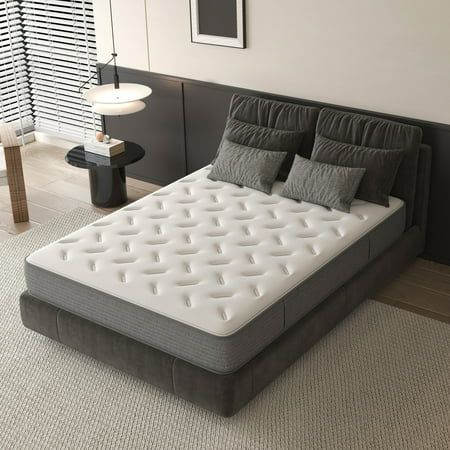
Understanding Fiberglass Air mattresses
Fiberglass air mattresses are created with a fiberglass layer incorporated into the mattress structure. This layer primarily serves as a fire barrier, helping the mattress meet fire safety regulations. The use of fiberglass Best Mattress for Health Without Fiberglass allows these air mattresses to be more affordable, making them an attractive option for budget-conscious consumers.
Key Features of Fiberglass Air mattresses
Price
Fiberglass air mattresses are often more cost-effective than traditional air mattresses. The use of fiberglass as a fire retardant material can lower production costs, which typically results in lower prices for consumers. This price makes fiberglass air mattresses a popular choice for those seeking a budget-friendly option without compromising on safety.
Fire Resistance
One of the primary benefits of fiberglass air mattresses is their fire resistance. The fiberglass layer acts as a fire barrier, helping to stop the spread of flames in the event of a fire. This feature ensures that the mattress complies with fire safety regulations, providing added peace of mind for users.
Durability
Fiberglass air mattresses are known for their durability. The fiberglass layer contributes to the mattress’s structural integrity, helping it maintain its shape and support over time. This durability can be advantageous for buying a long-lasting mattress that will withstand regular use.
Pros of Fiberglass Air mattresses
Safety Deference
Fiberglass air mattresses meet strong fire safety standards, providing a level of protection that is crucial for household safety. The fire-resistant properties of fiberglass help to ensure that the mattress is less likely to contribute to the spread of flames.
Supportive Structure
The fiberglass layer helps take care of the mattress’s shape and support, leading to overall durability. This may lead to a mattress which offers consistent support over time, reducing the likelihood of sagging or deformation.
Cons of Fiberglass Air mattresses
Health risks
One of the major concerns with fiberglass air mattresses is the potential for health risks. If the mattress cover is damaged or destroyed, tiny fiberglass fibers could become airborne. Inhaling and exhaling these fibers can cause breathing issues and skin irritation. It is essential to handle the mattress with care and avoid any actions that could damage the cover.
Off-Gassing
Fiberglass air mattresses may also be be subject to off-gassing, which refers to the release of volatile organic compounds (VOCs) from the materials used in the mattress. While fiberglass itself is not a significant source of off-gassing, other materials, such as foam, may make VOCs. It is important to choose a mattress with low off-gassing and ensure proper ventilation in the room where the mattress is placed.
Understanding Traditional Air mattresses
Traditional air mattresses involve a wide range of types, including innerspring, memory foam, and latex air mattresses. Every type offers distinct features and benefits, catering to various preferences and needs.
Key Features of Traditional Air mattresses
Variety of Options
Traditional air mattresses come in several types, each with its own unique features. Innerspring air mattresses use coils for support, memory foam air mattresses offer contouring and pressure relief, and latex air mattresses provide natural materials with durability. This variety allows consumers to choose a mattress that best suits their individual preferences and sleeping needs.
Comfort and Support
Traditional air mattresses are created with different comfort and support features. Memory foam air mattresses, for example, adapt to the body’s shape, providing pressure relief and support. Innerspring air mattresses give a more traditional feel with varying numbers of stiffness and support based on the number and type of coils used.
Quality and Durability
Traditional air mattresses are available in various quality levels, ranging from budget-friendly options to high-end luxury models. High-quality traditional air mattresses often feature durable materials and advanced construction techniques, leading to their longevity and overall performance.
Pros of Traditional Air mattresses
Customization
Traditional air mattresses offer a wide range of customization options, allowing consumers to select a mattress that matches their specific preferences for stiffness, support, and comfort. This customization can improve the overall sleep experience by addressing individual needs.
Comfort Features
Many traditional air mattresses are created with comfort features such as memory foam layers, gel-infused materials, or adjustable stiffness options. These features contribute to a more personalized sleep experience and can address various comfort needs.
Proven Track record
Traditional air mattresses have a long history people and a proven reputation providing comfort and support. Many people have successfully used traditional air mattresses for years, making them a dependable choice for many consumers.
Cons of Traditional Air mattresses
Cost Variability
Traditional air mattresses can vary significantly in price, with high-end models often being more expensive. This variability can make it challenging for budget-conscious consumers to find a traditional mattress that fits their needs without far above their budget.
Potential for Off-Gassing
Some traditional air mattresses, particularly especially those with foam components, may experience off-gassing. This release of VOCs make a difference to indoor air quality and may require additional ventilation during the initial setup period.
Conclusion
Choosing between a fiberglass mattress and a traditional mattress involves weighing various factors, including price, safety, comfort, and durability. Fiberglass air mattresses offer cost-effectiveness, fire resistance, and durability, but may pose health risks and off-gassing concerns. Traditional air mattresses provide a wide range of options, customization, and comfort features but can vary in cost and may also experience off-gassing. By considering your personal preferences, budget, and health considerations, you can make an informed decision and select a mattress that enhances your sleep experience and overall well-being.